Meta title: Cable Management Solutions & Wiring Accessories | Industrial Guide Meta description: A practical guide to industrial cable management solutions — cable glands, conduit systems, and wiring accessories — and how to choose the right components for your project. Target keywords: cable management solutions, wiring accessories, cable glands, industrial cable management, flexible conduit systems
Poor cable management is one of the most under-rated causes of industrial downtime. Chafed insulation, moisture ingress at an unsealed gland, or a conduit system that can't handle vibration — these small failures cascade into costly maintenance and safety risks. Getting cable management solutions right at the design stage saves far more than it costs.
Here's a practical breakdown of the wiring accessories that matter most, and how to choose them.
Why Cable Management Deserves More Attention
Industrial and manufacturing environments subject cabling to conditions domestic wiring never sees: vibration, temperature extremes, chemical exposure, and constant movement in robotic or automated systems. A proper industrial cable management setup protects cables from mechanical damage, keeps installations organized for maintenance, and ensures compliance with IP and hazardous-area ratings.
Cable Glands: The First Line of Defense
Cable glands seal the entry point where cables pass into an enclosure, protecting against dust, moisture, and mechanical strain. Selecting the right cable gland depends on a few factors:
IP rating required for the environment (IP66/IP68 for outdoor or washdown areas)
Material — nickel-plated brass, stainless steel, or polyamide, depending on chemical exposure and cost
Cable diameter range the gland needs to accommodate
Hazardous area certification, where applicable (ATEX/IECEx zones)
Using an undersized or incorrectly rated gland is one of the most common causes of enclosure ingress failures on-site.
Flexible Conduit Systems for Moving Applications
Where cables need to flex — robotic arms, machine tool axes, or any application with repeated movement — a rigid conduit will fatigue and crack. Flexible conduit systems, like those from Harnessflex and Adaptaflex, are engineered specifically to handle continuous flexing without compromising the cable protection inside. Choosing the right conduit type (PVC-coated steel, nylon, or convoluted polymer) depends on the movement profile, temperature range, and any exposure to oils or chemicals.
Wiring Accessories That Simplify Installation
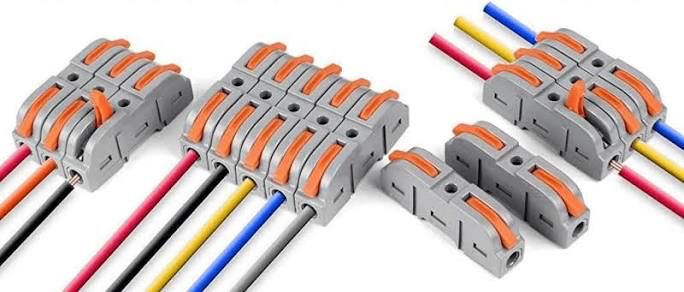
Beyond glands and conduit, a well-planned cable management system includes:
• Conduit fittings and connectors for clean transitions between conduit runs
• Cable ties and cleats for organized routing and strain relief
• Junction boxes rated for the environment
• Trunking and cable trays for larger installations
Standardizing these wiring accessories across a project — rather than mixing brands and specifications ad hoc — makes maintenance faster and reduces the chance of using an incompatible component under time pressure.
Sourcing Considerations
Because cable management components need to work together as a system — gland, conduit, and fitting all matching in thread type, sealing rating, and material — sourcing them from a single distributor with genuine stock across these product lines reduces compatibility errors and simplifies your vendor management.
The Bottom Line
Cable management isn't a minor line item in a project BOM — it directly affects uptime, safety compliance, and maintenance cost over the life of an installation. Getting the specification right on glands, conduit, and accessories at the outset avoids expensive rework later.
Pankaj Electricals distributes Harnessflex, Adaptflex, and other leading cable management brands, supplying cable glands, flexible conduit systems, and wiring accessories to manufacturers and PSUs across India.